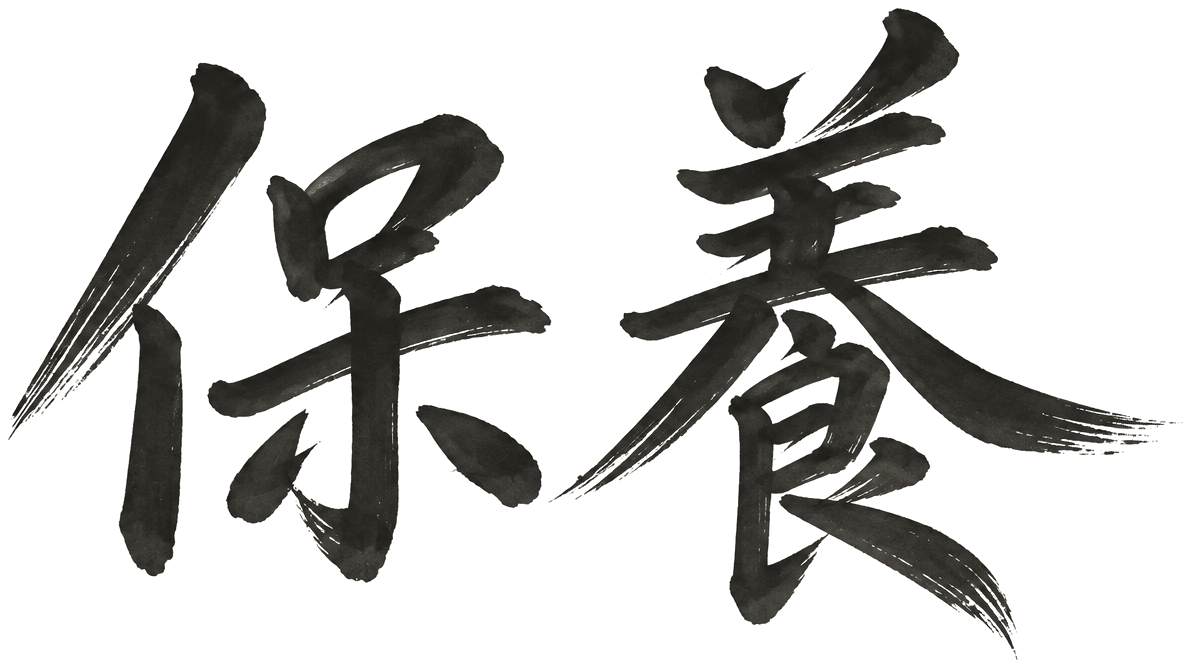
Hoyō
to rest, to keep well
In 目の保養 — me no hoyō — the eyes are given rest by something beautiful. Looking is treated as a kind of care. We take it literally: everything we make should be good to live with, and good to look at.

目の保養 · me no hoyō
Japanese objects for keeping well. Small daily habits, quietly made, that ask very little of you and give back for months.

Two words we build on
to rest, to keep well
In 目の保養 — me no hoyō — the eyes are given rest by something beautiful. Looking is treated as a kind of care. We take it literally: everything we make should be good to live with, and good to look at.

nurturing life
A tradition of health kept up in small amounts, daily, long before anything goes wrong. Not a cure. A way of tending. It is the reason our objects are made to last seasons rather than weeks.

The first object
A single piece of white oak charcoal, fired in Wakayama, dropped into a jug of tap water. It improves the taste, quietly, for three months at a time. Then it goes to your plants.
Where Binchotan first started
Kishū, Wakayama. Ubame oak, and kilns kept by a handful of families.
Why we started
We kept noticing that the habits that helped most were the smallest ones, and that they were nearly always attached to an object worth keeping.
hoyojo began with a stick of charcoal in a glass jug and the surprise of wanting to look at it. We are collecting more of these: things from Japan that are made carefully, used daily, and quietly good for you. One at a time, properly.
— the hoyojo studio